 Mike Lee
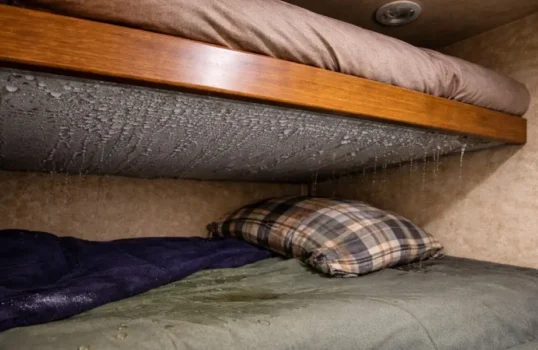
Condensation under RV bunk pads is a common problem. This is especially true for families who often use bunk beds. You might not notice the problem at first. But over time, trapped moisture can cause mold, bad smells, and damage to your bedding. The good news is that this problem is common and fixable.
This guide explains why moisture forms under RV bunk pads, how to spot it early, and the best long-term ways to stop it. Everything is written in clear, simple language so it’s easy to understand and apply.
What Causes Moisture Under RV Bunk Pads
Condensation forms when warm air meets a cold surface. In an RV, this happens easily. Sleeping bodies produce heat and moisture, while bunk platforms often remain cool.
Here are the most common causes:
Temperature Differences
When someone sleeps on a bunk pad, their body heat warms the mattress. The bunk platform below may be cold, especially if it sits against an exterior wall. Warm air hits the cold surface, and moisture forms.
Poor Airflow
Most RV bunk beds sit on solid wood or plywood. These surfaces block airflow. Without air movement, moisture has nowhere to go and becomes trapped.
High Humidity Inside the RV
Cooking, showering, breathing, and drying clothes in your RV all add moisture to the air. If humidity stays high, condensation problems get worse.
Exterior Wall Placement
Builders construct many RV bunks along outside walls. These walls lose heat quickly at night. This makes them prone to collecting moisture under bunk pads.

Signs You Have a Condensation Problem
Moisture under bunk pads is not always easy to see. Watch for these warning signs:
- Damp or wet bunk pads
- Musty or moldy smells
- Black or dark spots on wood or fabric
- Kids complaining about cold or clammy beds
- Allergies or breathing irritation
If you notice any of these signs, it’s time to act.
Why RV Bunk Beds Are More Affected Than Main Beds
RV bunk beds face more moisture issues than main sleeping areas. Here’s why:
- Bunks are smaller and more enclosed
- They often sit against cold exterior walls
- Bunk areas limit airflow.
- Kids generate heat and moisture while sleeping
- Bunks are rarely lifted or checked
Bunk beds get used a lot but aren’t checked often. So, condensation can build up without anyone noticing.
Why Ignoring Moisture Under Bunk Pads Is a Bad Idea
Leaving moisture trapped under RV bunk pads can cause serious problems over time.
Mold and Mildew Growth
Mold loves dark, damp places. Once it starts, it can spread with great speed and be hard to remove.
Mattress and Pad Damage
Moisture breaks down foam and fabric. Pads may sag, smell, or wear out early.
Health Concerns
Mold spores can trigger allergies, asthma, and breathing problems, especially in children.
RV Interior Damage
Over time, moisture can damage wood platforms, screws, and surrounding walls.
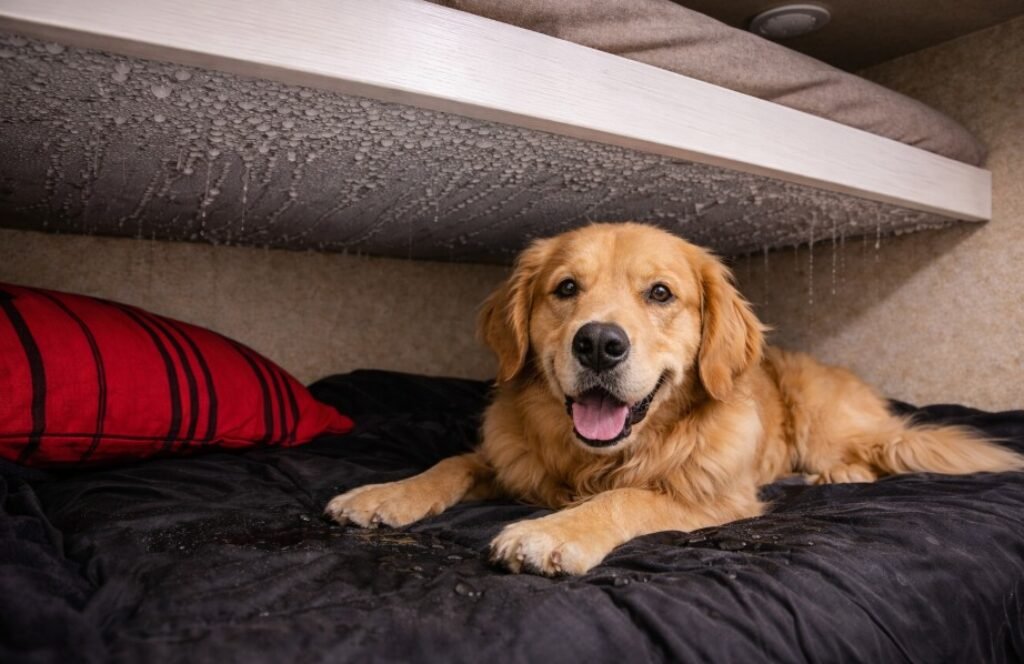
The Best Condensation Under RV Bunk Pads Solution Options
There are several ways to fix this problem. The best results usually come from combining more than one method.
Increase Airflow Under the Bunk Pad
Air movement is the most important fix. When air can circulate, moisture dries instead of collecting.
Ways to improve airflow include:
- Slatted bunk boards
- Vent holes in solid platforms
- Raised bunk pads with spacers
- Breathable underlay systems
Use an Anti-Condensation Mattress Underlay
A breathable mattress underlay or mesh creates a small air gap between the bunk pad and platform. This allows moisture to escape instead of trapping it.
These products are easy to install and work well for RV bunk beds.
Avoid Plastic or Solid Barriers
Plastic sheets or non-breathable barriers trap moisture. While they seem protective, they often make condensation worse.
Control Humidity Inside the RV
Lower humidity reduces condensation risk.
Helpful steps include:
- Using roof vents and fans
- Running a small dehumidifier
- Opening windows when weather allows
- Wiping down wet surfaces
- Avoiding indoor clothes drying
Improve Insulation Near Bunks
Better insulation helps keep surfaces warmer, reducing condensation.
You can add:
- Foam board insulation behind bunk walls
- Reflective insulation panels
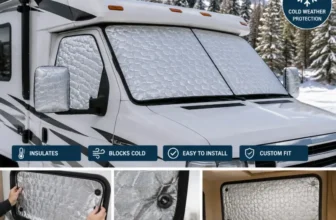
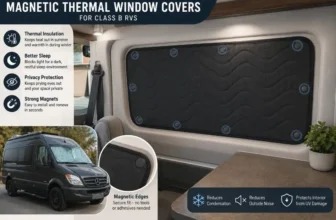
- Thermal curtains near bunk areas
DIY vs Store-Bought Solutions
DIY Options
Some RV owners build their own airflow systems using:
- Wooden slats
- PVC spacers
- Drilled ventilation holes
DIY fixes are affordable but may take more time and testing.
Store-Bought Options
Manufacturers design commercial underlayment products for moisture control. They are easy to cut, fit most bunks, and provide reliable airflow.
They cost more but save time and usually last longer.
Long-Term Prevention Tips
Once you fix the problem, keep it from coming back.
- Lift bunk pads monthly to check for moisture
- Clean and dry bunks during storage
- Leave pads in a position that allows for slight elevation when not in use.
- Use breathable mattress covers
- Keep RV humidity below 50 percent
Best Practices for RV Bunk Pad Setup
Follow these tips for a dry, comfortable bunk bed:
- Always allow airflow under pads
- Avoid solid surfaces with no ventilation
- Use breathable materials only
- Clean spills right away
- Store RV with bunks dry and uncovered when possible
Frequently Asked Questions
Is condensation under RV bunk pads normal?
Yes. RVs have small spaces and limited airflow, so moisture problems are common.
Can condensation ruin bunk pads?
Yes. Long-term moisture can damage foam, fabric, and wood.
Are bunk beds worse than main RV beds?
Usually, yes. Bunks are smaller, colder, and have less airflow.
What is the best condensation under RV bunk pads solution?
Improving airflow with a breathable underlay and managing humidity works best.
Final Thoughts
Condensation under RV bunk pads is a common but serious issue. Left untreated, it can lead to mold, odors, and damaged bedding. The key is airflow, humidity control, and regular checks.
To keep bunk beds dry and safe, use a tested condensation solution under RV bunk pads. Also, follow good RV moisture habits for comfort.